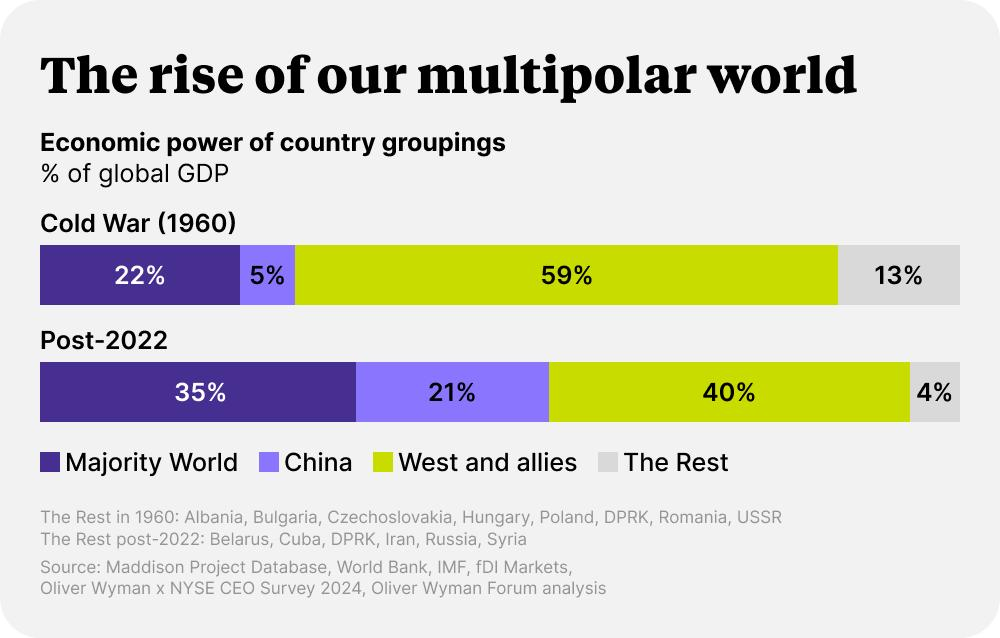
The world economy is no longer organized around a single dominant center of power.
According to the IMF, emerging and developing economies now account for nearly 60% of global GDP measured by purchasing power parity (IMF, 2025). At the same time, geopolitical competition, supply chain disruptions, technology restrictions, and energy security concerns are reshaping how governments think about national resilience.
As a result, strategic autonomy has moved from a foreign policy concept to a central public policy objective.
Governments increasingly seek the ability to make independent decisions while remaining integrated into global markets.
The challenge is that autonomy and interdependence now coexist.
Why This Matters
The COVID-19 pandemic exposed vulnerabilities in global supply chains.
The World Bank estimates that global supply chain disruptions contributed significantly to inflationary pressures and production bottlenecks across multiple sectors between 2020 and 2023 (World Bank, 2024).
Meanwhile, the OECD notes that economic security concerns now extend beyond defense to:
- Semiconductors
- Critical minerals
- Energy systems
- Digital infrastructure
- Pharmaceuticals
- Artificial intelligence (OECD, 2025)
For policymakers, the question is no longer whether globalization should continue. The question is how countries can remain globally connected while reducing excessive dependence on any single market, technology provider, or supply source.
From Non-Alignment to Strategic Autonomy
Strategic autonomy is often defined as the ability of a state to pursue its interests and make policy choices without undue external dependence or coercion (European Commission, 2024; OECD, 2025).
Historically, many countries pursued versions of this idea through non-alignment, economic self-reliance, or diversified partnerships. Today's version is different.
Modern strategic autonomy does not imply isolation. Instead, it seeks resilience within interdependence.
Countries continue to trade, invest, collaborate, and participate in multilateral institutions. However, they increasingly seek domestic capabilities in strategically important sectors such as advanced manufacturing, digital infrastructure, energy systems, and critical technologies.
What the Data Shows
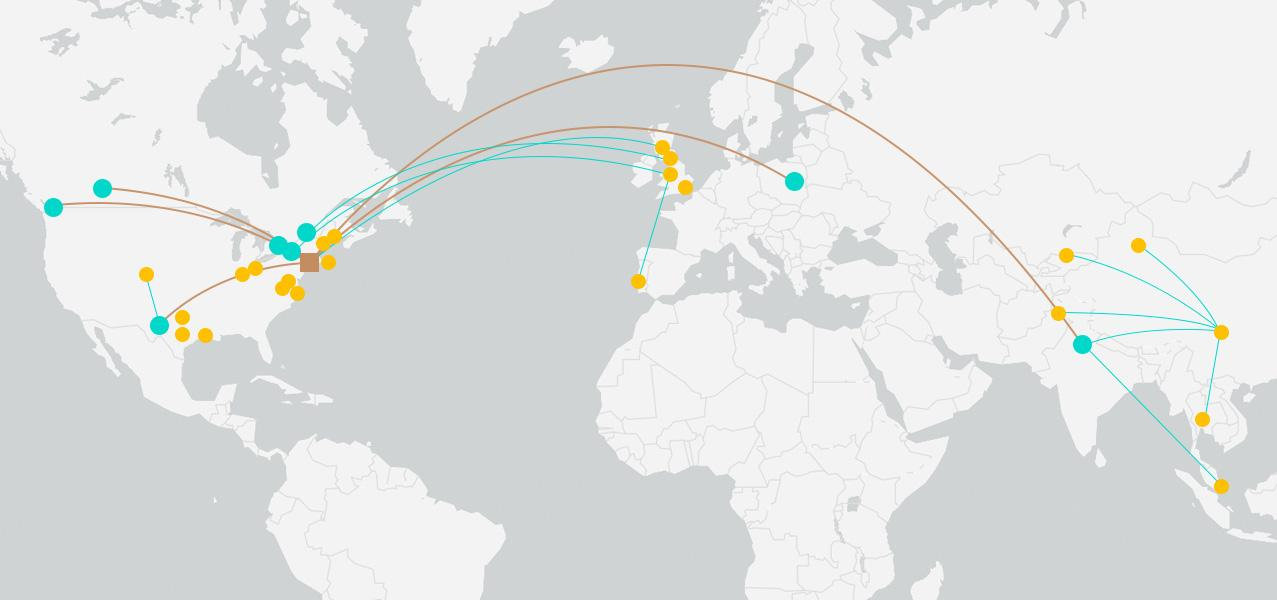
Global trade remains remarkably strong. International trade reached approximately $33 trillion in 2024, the highest level ever recorded (UNCTAD, 2025).
Yet governments are simultaneously investing in domestic resilience. Industrial policy spending across major economies has expanded significantly since 2020, particularly in semiconductors, clean energy, and strategic technologies (OECD, 2025).
Critical dependencies remain concentrated:
- The International Energy Agency estimates that refining and processing of many critical minerals remains heavily concentrated among a small number of countries (IEA, 2024).
- Similarly, advanced semiconductor manufacturing is concentrated in a limited number of geographic locations, creating potential supply risks for governments and industries worldwide (OECD, 2025).
These trends explain why economic security has become a core component of contemporary governance.
2024 Global Trade Growth
Goods Trade:    +2%
Services Trade: +9%
Two Competing Policy Perspectives
The Strategic Autonomy View
Supporters argue that recent crises demonstrate the risks of excessive dependence. Supply chain disruptions, export controls, energy shocks, and technological restrictions have shown how concentrated dependencies can affect national resilience.
From this perspective, strategic autonomy enhances economic security. Advocates support investments in domestic manufacturing, critical infrastructure, research and development, and diversified supply chains. They argue that resilience should be treated as a public policy objective alongside efficiency.
The European Union's concept of "Open Strategic Autonomy" reflects this approach. Policymakers seek greater resilience while maintaining openness to trade and international cooperation.
The Critical View
Critics caution that strategic autonomy can become expensive. Duplicating supply chains, subsidizing industries, and reshoring production may increase costs for consumers and businesses.
The OECD has repeatedly emphasized that open markets remain important drivers of productivity, innovation, and long-term growth (OECD, 2025).
Some economists also argue that excessive focus on national self-sufficiency may unintentionally reduce competition, weaken international cooperation, and encourage protectionist responses from trading partners.
Evidence remains mixed. While resilience can reduce vulnerabilities, the economic costs of pursuing autonomy vary significantly across sectors and countries.
| Autonomy Approach | Open-Integration Approach |
|---|---|
| Domestic capability | Global specialization |
| Economic security | Economic efficiency |
| Supply chain resilience | Lower production costs |
| Strategic industries | Comparative advantage |
| Risk diversification | Trade integration |
| National flexibility | Multilateral cooperation |
A Systems Perspective
Strategic autonomy affects multiple stakeholders simultaneously:
- Governments seek resilience and policy flexibility.
- Businesses seek predictable regulations, market access, and efficient supply chains.
- Consumers benefit from lower prices but also depend on secure access to essential goods.
- Universities and research institutions seek international collaboration while managing research security concerns.
These incentives do not always align.
Global Comparisons
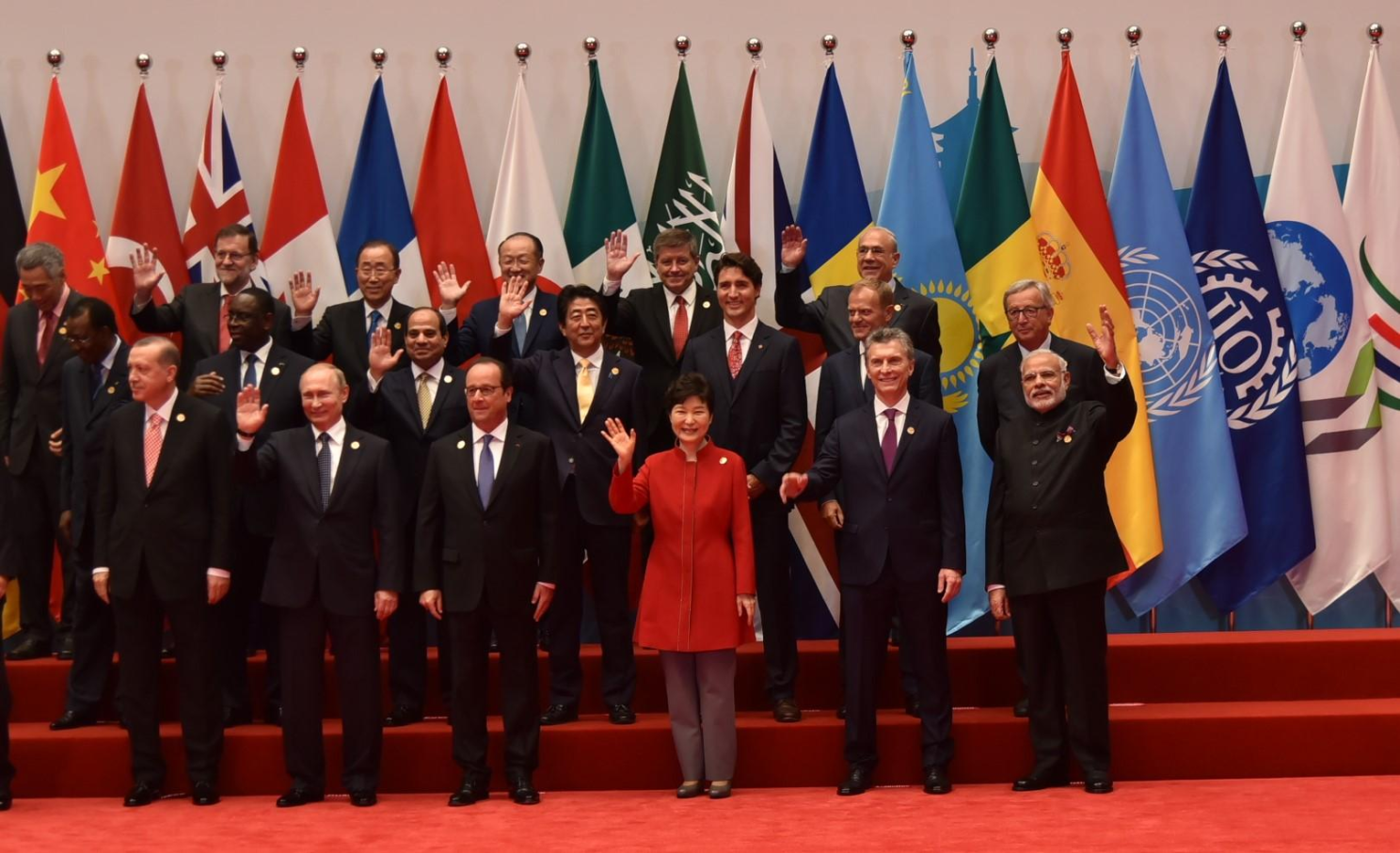
Different jurisdictions are pursuing strategic autonomy in different ways:
- The European Union emphasizes "Open Strategic Autonomy," combining economic openness with efforts to reduce strategic dependencies (European Commission, 2024).
- The United States has increasingly used industrial policy to support semiconductor manufacturing, clean energy technologies, and critical supply chains.
- Japan has focused on supply chain diversification and economic security legislation.
- Many middle powers, including India, increasingly frame strategic autonomy as maintaining diversified partnerships while preserving independent decision-making.
Despite different approaches, a common theme emerges. Few countries are pursuing complete self-sufficiency. Most are attempting to manage strategic dependencies while remaining integrated into the global economy.
Sources
- International Monetary Fund (IMF)
- World Bank
- Organisation for Economic Co-operation and Development (OECD)
- United Nations Conference on Trade and Development (UNCTAD)
- International Energy Agency (IEA)
Additional references reviewed: 60+ sources.