🌍 The world's most important policy debates are increasingly technology debates.
As governments race to govern AI, protect data, secure supply chains, and maintain competitiveness, technology policy is becoming economic policy, industrial policy, and national security policy all at once.
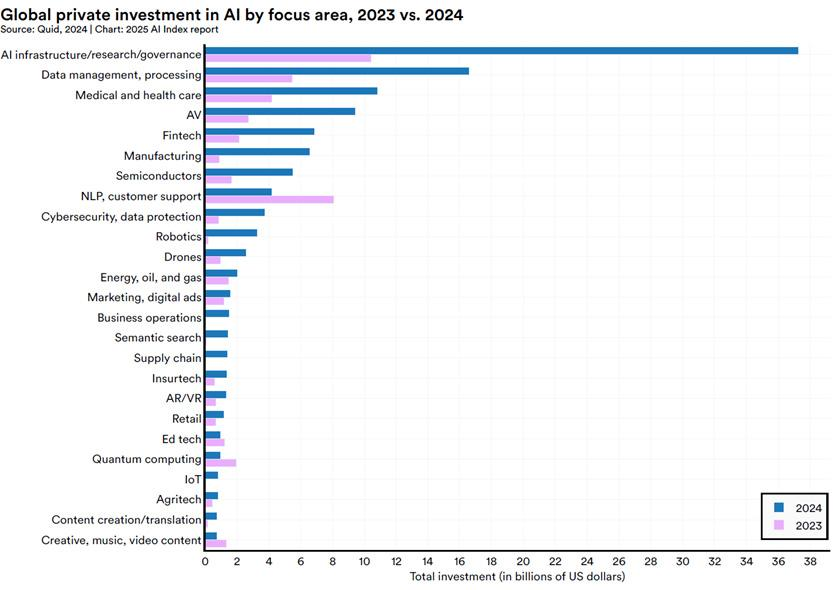
Artificial intelligence investment exceeded $250 billion globally in 2024, while the digital economy now contributes roughly 15% of global GDP and is growing at more than 2.5 times the pace of the physical economy (UNCTAD, 2025; World Bank, 2025).
Technology has become more than an economic sector. It is now a core component of national security, industrial policy, labor markets, competition policy, and international governance. The defining policy challenge of 2026 is no longer whether governments should regulate technology. It is how they can govern rapidly advancing technologies without undermining innovation, competition, and economic growth.
Why This Matters
Technology policy increasingly shapes economic outcomes. The OECD estimates that AI could significantly enhance productivity across sectors, while the World Bank projects that digital transformation remains one of the most important drivers of long-term growth in developing economies (OECD, 2024; World Bank, 2025).
At the same time, digital concentration is growing. The world's largest technology firms collectively account for several trillion dollars in market capitalization, while advanced AI development remains concentrated among a relatively small number of firms with access to computing infrastructure, data, and talent (OECD, 2024).
For policymakers, this creates a governance dilemma: How can societies capture the benefits of technological progress while managing risks related to privacy, competition, security, labor disruption, and misinformation?
Figure 1
From Digital Economy to Digital Sovereignty
The past decade focused primarily on digital adoption. The current decade is increasingly focused on digital sovereignty. Governments across major economies are investing heavily in strategic technologies such as semiconductors, cloud infrastructure, quantum computing, cybersecurity, and artificial intelligence.
United States: Committed more than $52 billion through the CHIPS and Science Act to strengthen domestic semiconductor manufacturing (U.S. Department of Commerce, 2025).
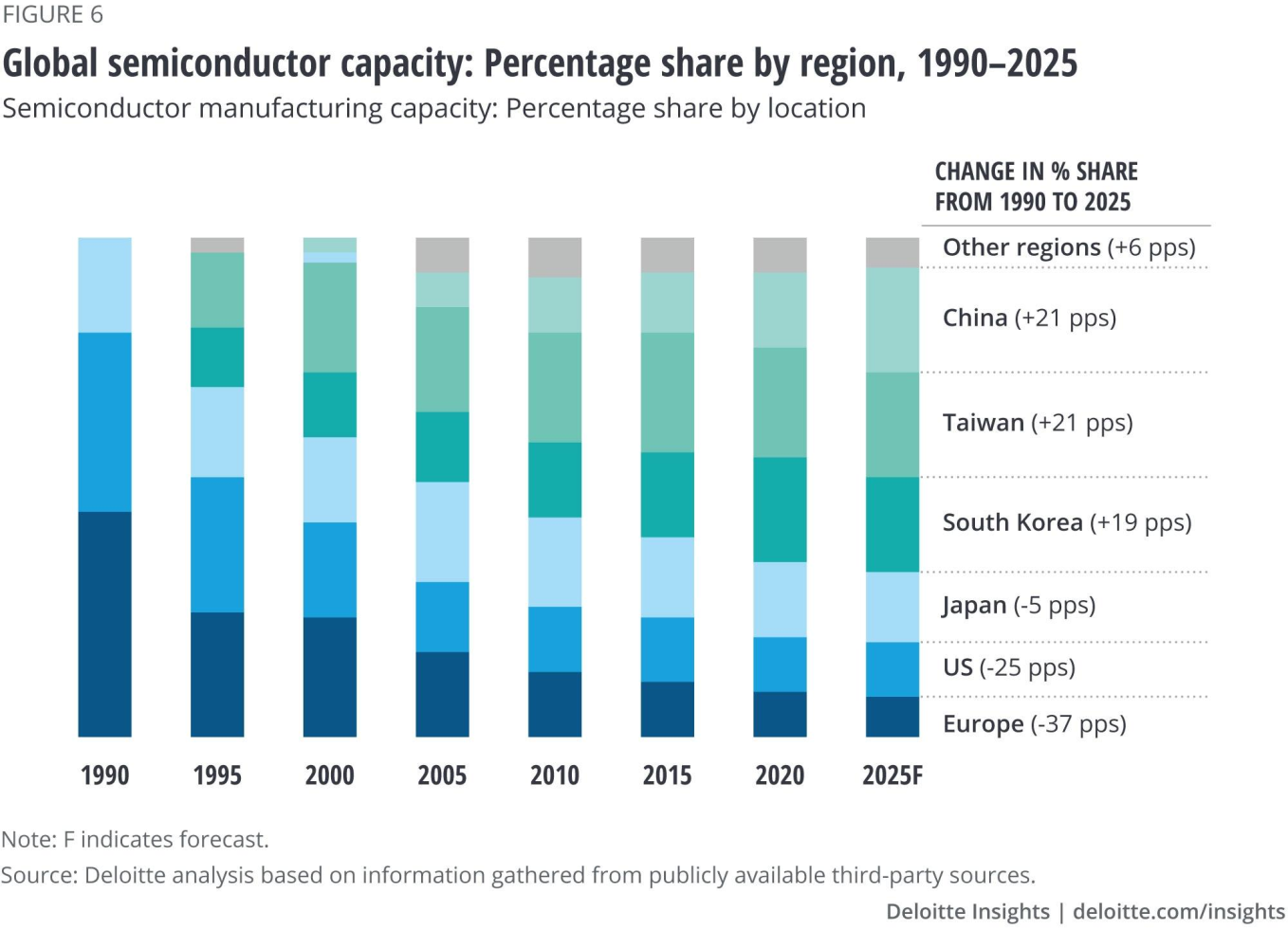
European Union: The European Chips Act aims to mobilize over €43 billion in public and private investment, seeking to increase Europe's share of global semiconductor production to 20% by 2030 (European Commission, 2025).
India: The semiconductor incentive program allocates approximately ₹76,000 crore to support domestic manufacturing and ecosystem development (Government of India, 2025).
Technology policy is increasingly becoming industrial policy.
What the Data Shows
The scale of digital transformation is substantial:
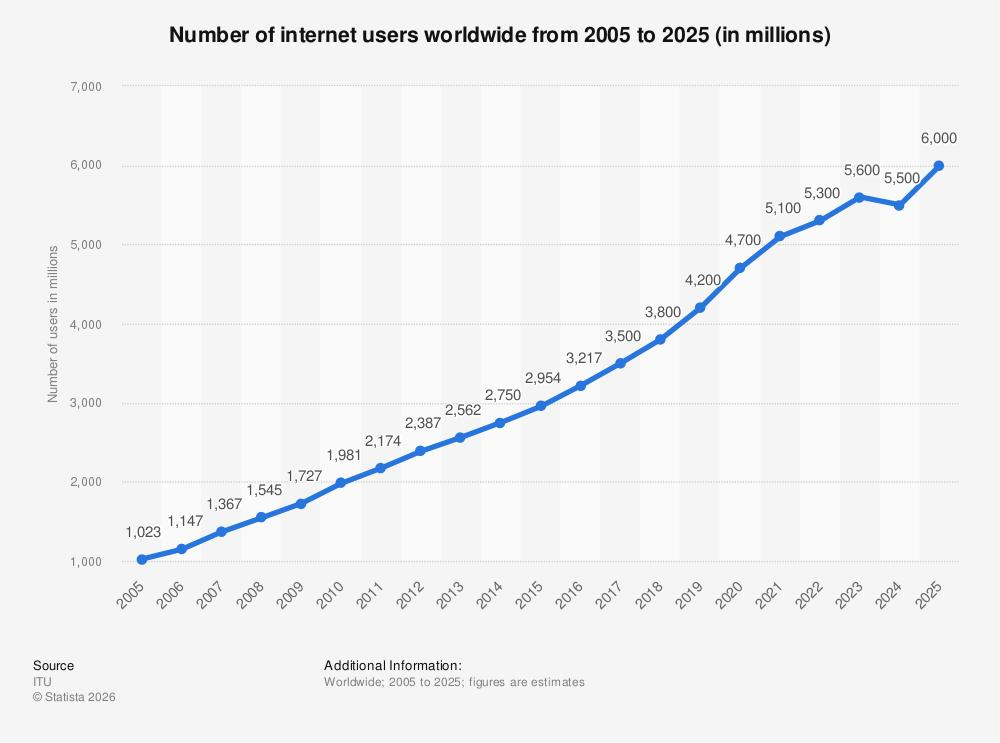
Global Internet Users (2025): ~5.6 billion (ITU, 2025)
Global Data Creation (2025): ~181 zettabytes projected (IDC, 2025)
AI Investment (2024): >$250 billion globally (Stanford AI Index, 2025)
Digital Economy Share of Global GDP: ~15% (UNCTAD, 2025)
Countries with National AI Strategies: 70+ (OECD AI Observatory, 2025)
At the same time, cybersecurity risks continue to expand. The average cost of a major data breach reached approximately $4.9 million globally in 2024, the highest level recorded to date (IBM Security, 2024). Meanwhile, the United Nations estimates that nearly 2.6 billion people remain offline, highlighting persistent digital inclusion challenges (ITU, 2025).
The benefits and risks of technology remain unevenly distributed.
Figure 2
The AI Governance Debate
Artificial intelligence has become the central issue in global technology policy. The European Union's AI Act became the world's first comprehensive AI regulatory framework, establishing a risk-based approach that imposes stricter obligations on high-risk systems while prohibiting specific harmful uses (European Commission, 2025). In parallel, more than 58 countries endorsed principles supporting inclusive and sustainable AI governance during the 2025 AI Action Summit (AI Action Summit, 2025).
Yet consensus remains limited.
Figure 3
Supporting View: Regulation Builds Trust
Supporters argue that governance frameworks create predictable rules, improve accountability, and reduce societal risks. They point to concerns surrounding algorithmic discrimination, privacy violations, deepfakes, automated decision-making, and AI safety. From this perspective, clear standards can strengthen public trust and encourage responsible innovation. The OECD AI Principles, the Council of Europe's AI Convention, and the EU AI Act all reflect this logic (OECD, 2024; Council of Europe, 2025).
Critical View: Regulation May Slow Innovation
Critics raise concerns about compliance costs and regulatory complexity. Several technology companies and industry groups have argued that overly prescriptive rules may disadvantage startups, reduce investment incentives, and slow deployment of beneficial technologies. Debates surrounding implementation timelines for parts of the EU AI framework illustrate the tension between competitiveness and regulation (European Commission, 2025).
Evidence remains mixed. Most policymakers now accept that neither unrestricted development nor excessive regulation offers a complete solution.
Data Governance: Data has become a strategic resource. Countries increasingly view data governance as an economic and national security issue, leading to new privacy frameworks, cross-border data rules, and localization requirements.
Competition Policy: The European Union's Digital Markets Act, ongoing antitrust actions in the United States, and digital competition reforms in multiple jurisdictions reflect growing concerns about market concentration and platform power (OECD, 2024).
Policymakers face difficult trade-offs. Large platforms can generate efficiency and innovation benefits. However, excessive concentration may reduce competition, limit consumer choice, and create barriers for smaller firms.
Systems Perspective: Stakeholders and Trade-offs
Technology policy now sits at the intersection of multiple stakeholder interests.
Stakeholder
Primary Objective
Governments
Security & governance
Technology firms
Innovation & growth
Citizens
Privacy & trust
Workers
Economic opportunity
Regulators
Risk management
Researchers
Open knowledge
These objectives do not always align. Greater data sharing can improve innovation but raise privacy concerns. Stronger cybersecurity requirements improve resilience but increase compliance costs. Industrial subsidies can strengthen domestic capabilities but may distort markets.
Technology governance increasingly involves managing these competing priorities rather than maximizing a single objective.
Global Comparison
Different jurisdictions are pursuing distinct models:
European Union: Emphasizes rights-based regulation and risk management.
United States: Generally favors innovation-led governance supported by sector-specific regulation.
China: Combines rapid technological development with extensive state oversight and strategic industrial planning.
India: Pursuing a hybrid approach focused on digital public infrastructure, data governance, semiconductor development, and AI adoption.
No single model has emerged as universally accepted. Institutional, economic, and political contexts continue to shape national strategies.
Figure 4
Questions for Policymakers
As technology becomes increasingly central to economic and national development, several questions remain unresolved:
How should governments balance innovation with accountability?
What level of transparency should be required for advanced AI systems?
How can competition be preserved in markets characterized by scale advantages and network effects?
What mechanisms can reduce the global digital divide while maintaining cybersecurity and resilience?
How can international cooperation function when technology is increasingly linked to geopolitical competition?
The answers will differ across countries, but these questions are likely to remain at the center of global technology policy discussions.
Sources
OECD, OECD AI Policy Observatory & Digital Economy Outlook (2024-25)
UNCTAD, Digital Economy Reports & Global Trade Updates (2025)
World Bank, World Development Reports & Digital Development Publications (2025)
European Commission, AI Act, Chips Act, and Digital Policy Frameworks (2025)
International Telecommunication Union, Facts and Figures Report (2025)
Additional references reviewed: 60+ sources.
Credits
Authored by Yash Srivastava (Editor-in-Chief)
Rishilekh - Policy Newsletter