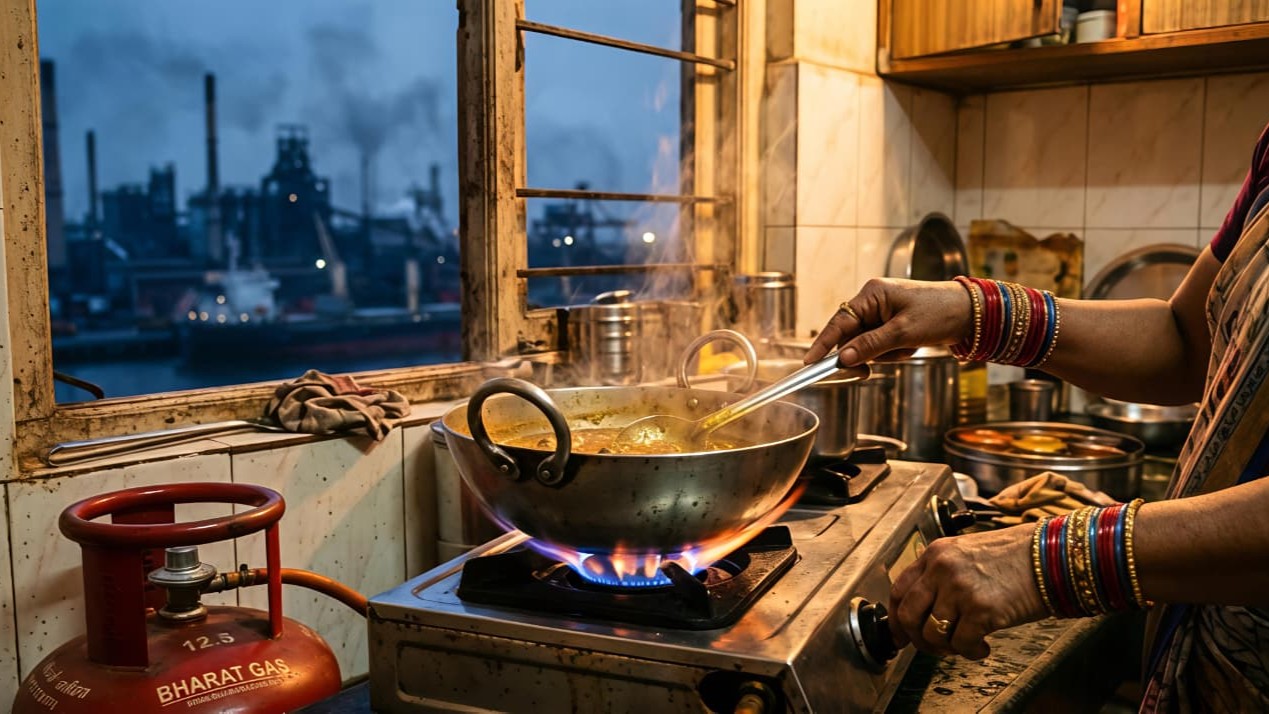
India’s LPG and PNG Supply Response to the US–Iran Conflict
India has acted quickly to shield households from the fallout of the US–Iran conflict by prioritizing LPG and PNG supplies. Under the Natural Gas (Supply Regulation) Order, 2026, issued on March 10, the government invoked the Essential Commodities Act to override commercial gas contracts and ensure uninterrupted domestic supply, even as restaurants and other businesses face cuts.
The Trigger: Conflict in the Strait of Hormuz
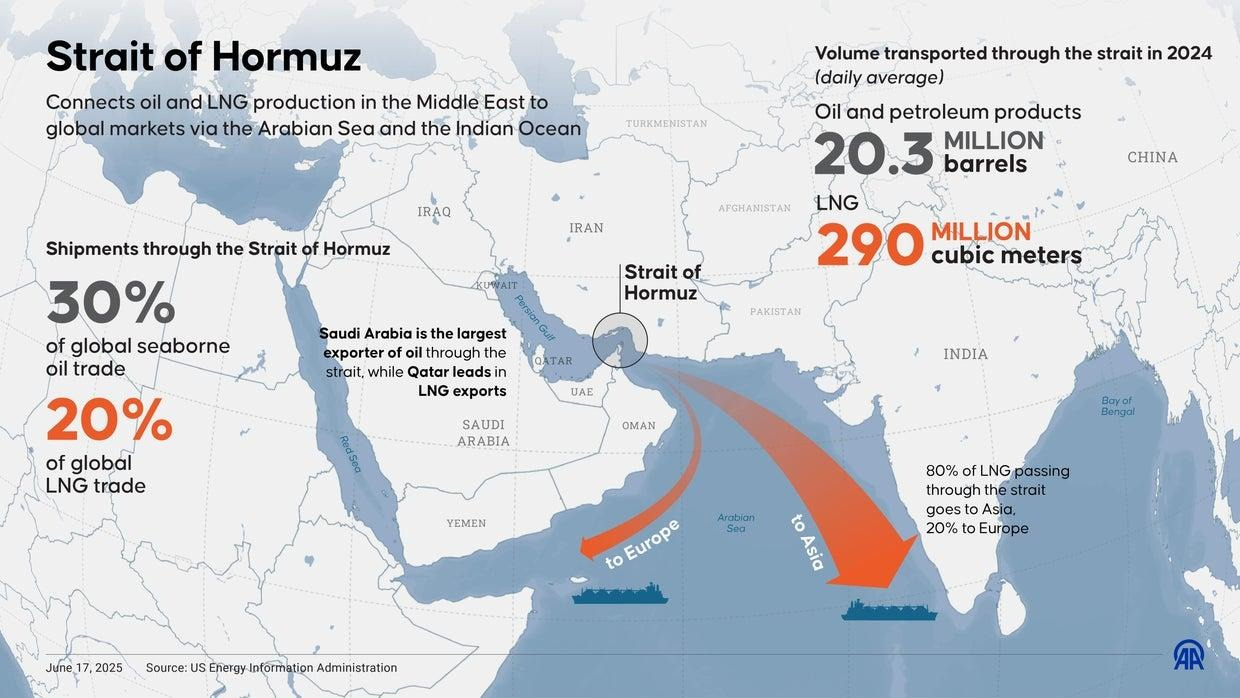
Rising US–Iran tensions have disrupted LNG shipments through the Strait of Hormuz, a route that carries about 20% of global LNG trade.
For India, which imports over half of its gas—much of it via this corridor—the impact has been immediate. Tanker delays, higher insurance costs, and rerouted cargo have tightened supply and pushed Asian LNG prices up by 15–25%. Lower cargo arrivals and a weaker rupee have further raised import costs.
With demand rising across sectors, the risk of shortages and price spikes became real. This made swift government intervention necessary to stabilize supply and prevent a wider energy crisis.
How It Works: The Four-Tier Priority System
To manage the gas shortage, the government has introduced a strict priority system that ensures essential needs are met first while others absorb the shock:
Tier 1 — 100% Supply
Household needs come first.
Domestic PNG, CNG for transport, and LPG production are fully protected based on average consumption over the past six months.
Tier 2 — 70% Supply
Fertiliser plants receive reduced but steady supply, given their importance for food security.
However, they are required to strictly use gas only for production.
Tier 3 & 4 — 80% Supply
Manufacturing units, the tea industry, and commercial users connected to city gas networks face moderate cuts, forcing them to optimize usage and manage higher costs.
The “Squeeze” — ≈65% Supply
Heavy industries such as petrochemical plants, power stations, and oil refineries are bearing the biggest burden, taking deeper cuts to keep households and essential sectors running.
Why This Matters for the Indian Consumer
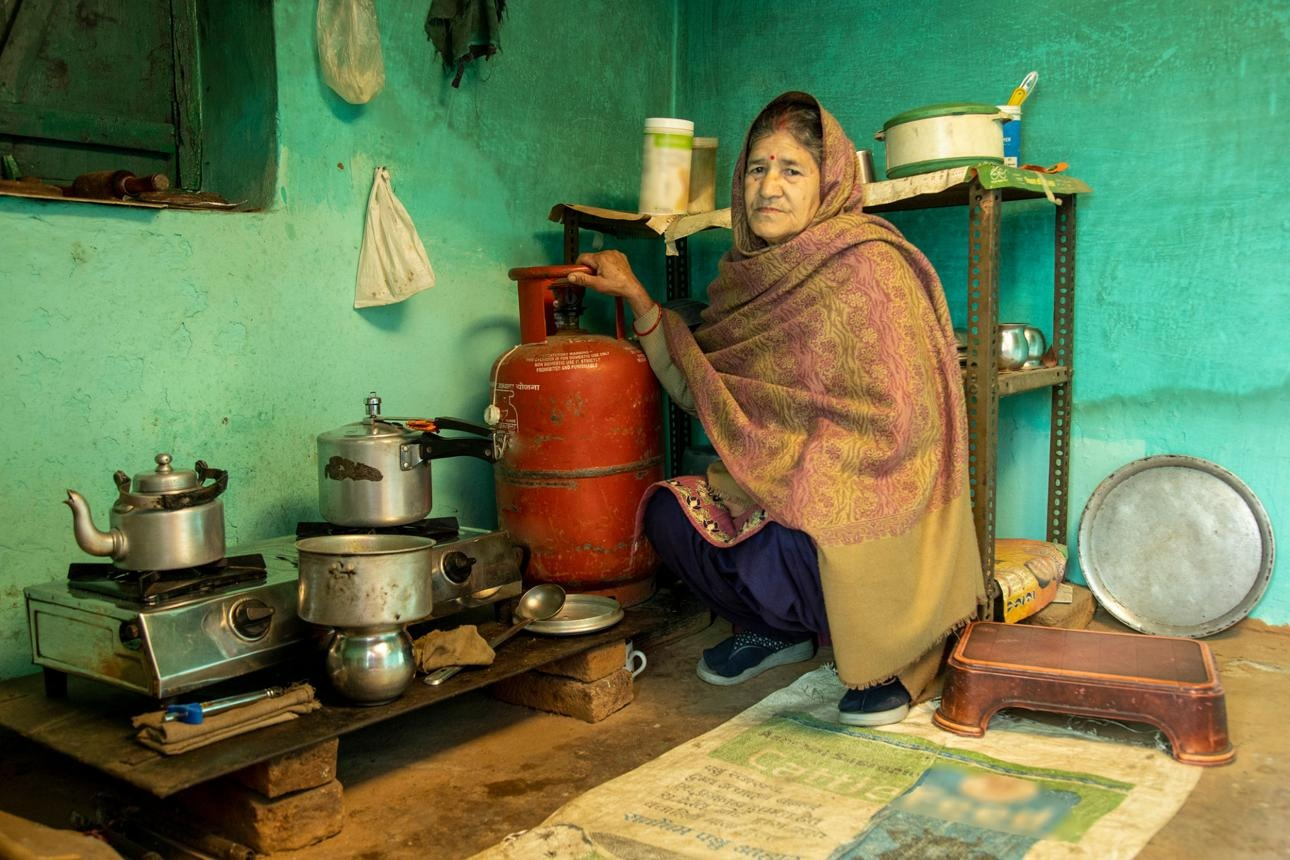
For Indian households, the move acts as a safety net.
By invoking the Essential Commodities Act, the government is ensuring steady access to cooking gas and transport fuel, shielding families from immediate shortages and panic buying.
However, this protection comes at a cost.
Commercial users—especially restaurants and small food businesses in cities like Bengaluru and Ahmedabad—are already facing supply cuts, raising concerns about closures and job losses.
While households remain protected for now, the impact may still be felt through:
- Higher food prices
- Fewer dining options
- Pressure on small businesses
- Potential job losses
- A broader economic slowdown
Why Timing Matters: Pre-empting a Crisis
The government’s response has been as much about timing as policy.
Acting early, Prime Minister Narendra Modi met key ministers, including Hardeep Singh Puri and S. Jaishankar, to prevent panic buying and hoarding.
By moving quickly, the government aimed to stay ahead of the crisis.
Agencies like GAIL and the Petroleum Planning and Analysis Cell (PPAC) have been given a stronger role to coordinate supply and stabilize prices, reducing the risk of sudden shortages.
Corporate & Regional Response
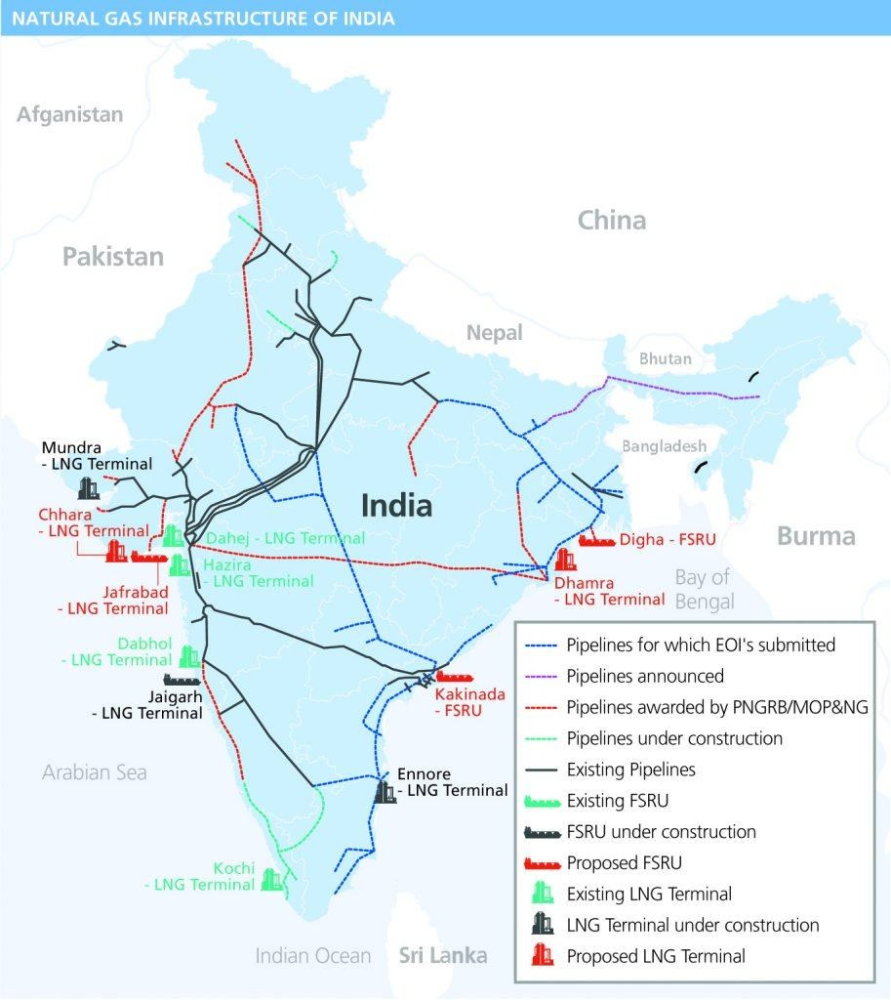
India’s energy companies are quickly adapting to the new reality.
Reliance Industries
Reliance Industries (RIL) is ramping up LPG production at Jamnagar and diverting gas from the KG-D6 basin for domestic use, while increasing output to offset falling imports.
Oil and Natural Gas Corporation
Oil and Natural Gas Corporation (ONGC) has boosted domestic gas production, especially from western offshore fields, to ease supply pressure.
Indian Oil Corporation and Bharat Petroleum
Public sector firms such as Indian Oil Corporation (IOC) and Bharat Petroleum (BPCL) are prioritizing household LPG distribution while cutting back on commercial supply.
City Gas Distributors
Meanwhile, city gas distributors across urban centers have tightened supply schedules, with some areas already seeing rotational cuts for commercial users.
State Interventions & Price Adjustments
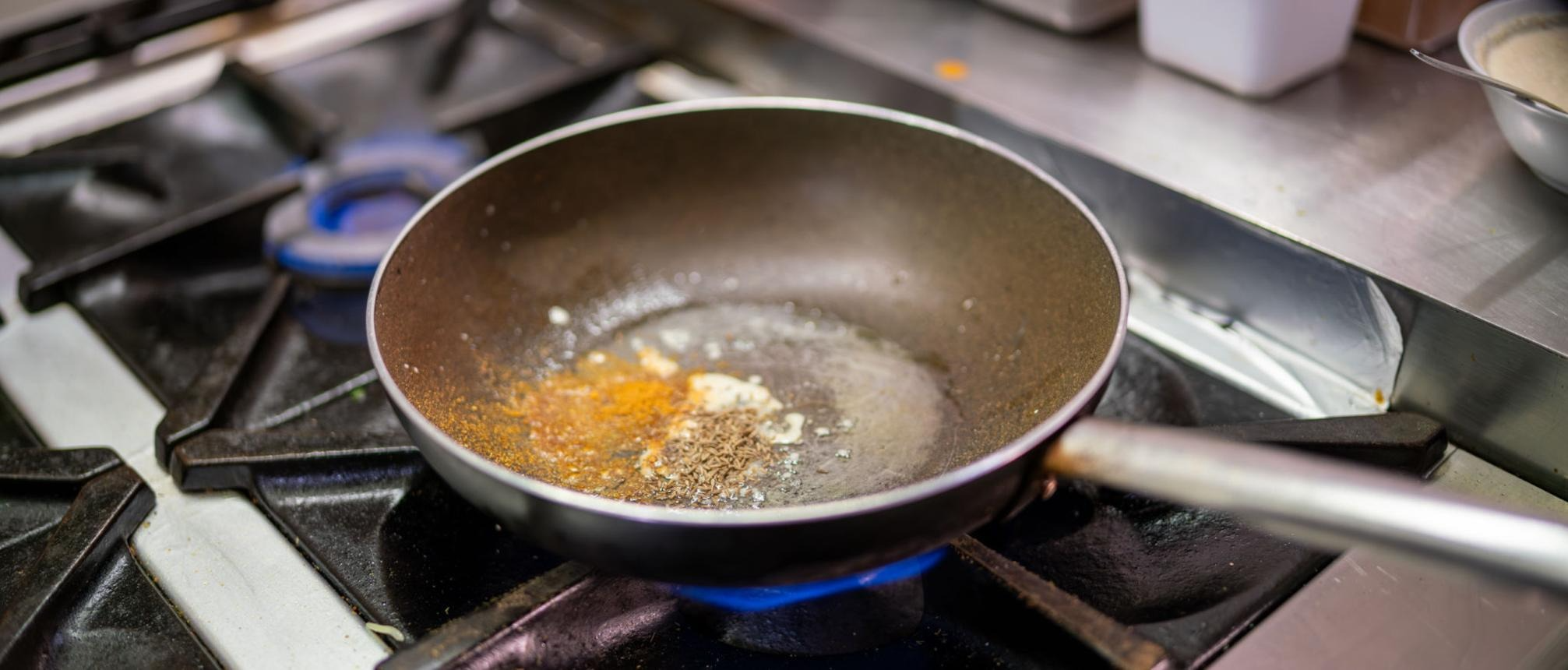
At the state level, concerns are growing over the uneven impact of these measures.
Siddaramaiah and other regional leaders have urged the Centre to strike a balance, warning that sharp cuts in commercial gas supply could hurt the hospitality sector and small businesses.
Cities with large service economies are already seeing stress, especially among restaurants and food vendors.
Alongside rationing, price measures have also been introduced.
Cooking gas prices have been increased, and the minimum gap between subsidised LPG refills has been extended to 25 days.
These steps aim to curb hoarding and black marketing while ensuring more equitable distribution of available supply.
The Path Forward: Stability Amid Volatility
India is entering this phase of geopolitical uncertainty with a clear priority:
Households first.
The government’s approach reflects a deliberate trade-off—protecting essential domestic consumption, even if it places short-term pressure on industries and commercial activity.
As Petroleum Minister Hardeep Singh Puri has emphasized, the objective remains ensuring an “uninterrupted supply of affordable energy” for citizens.
At the same time, the longer the conflict in West Asia continues, the greater the risk to:
- Industrial growth
- Employment
- Small businesses
- Energy-intensive industries
- Overall economic momentum
In essence, India is using its strongest regulatory tools to maintain internal stability—buying time while it adapts to a more uncertain and volatile global energy landscape.
Additional Details
This brief examines government e-infrastructure rollout metrics across 120 districts and proposes a 3-tier digital readiness index for rural municipalities.