
India Does Not Have a Job Shortage. We Have a Skill Crisis.
Millions of students graduate in India every single year. They hold standard degrees. They wear the graduation robes. They pose for photographs.
Then they join the unemployment line.
This is a structural crisis. Standard academic degrees focus entirely on textbook theory. Modern employers demand something completely different. They demand operational skills.
The traditional university model is failing. A drastic policy shift is required. The government must mandate credit-backed apprenticeship programs. This rule must apply to the final year of all undergraduate degrees.
Students should not sit in a classroom reading about business. Students should earn mandatory college credits by working directly inside local businesses.
Let us look at the hard facts.
The Demographic Ticking Clock
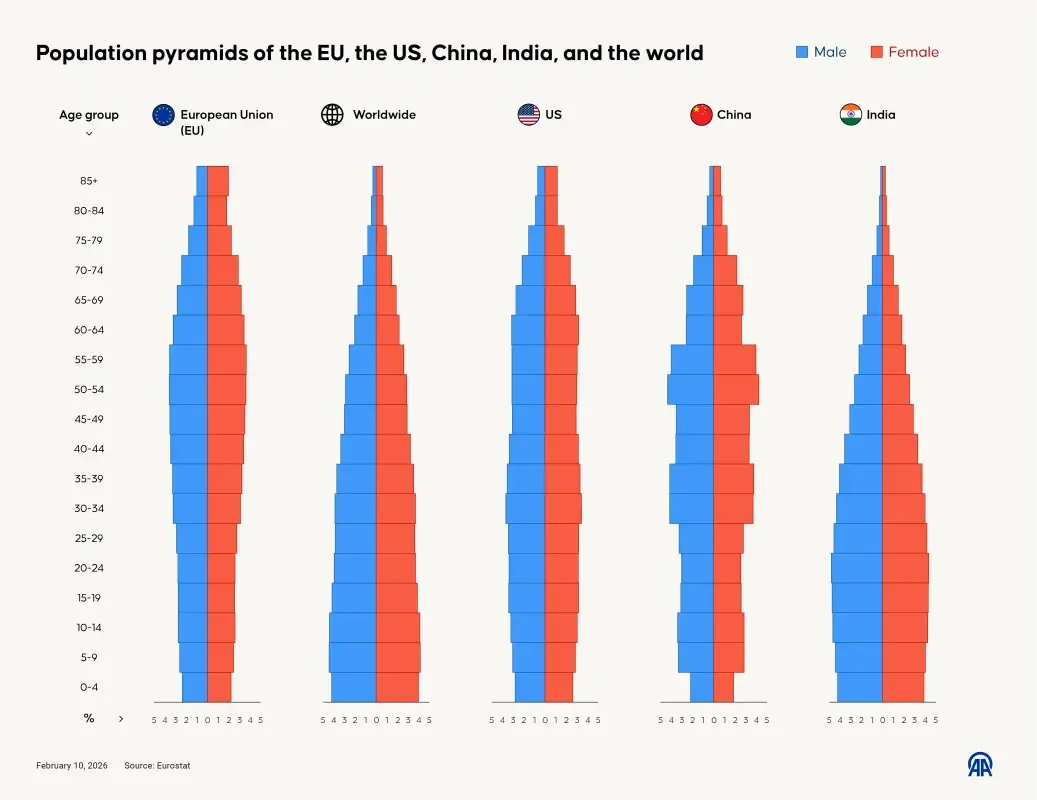
India has a massive demographic advantage, currently having 36.7 crore people aged between 15 and 29 years.
This specific age group represents one third of the entire working-age population. The median age across the country is only 28.
This demographic window will not stay open forever. The advantage begins to close rapidly after the year 2030. The pace of job creation in the current decade is absolutely critical.
The Graduate Unemployment Reality
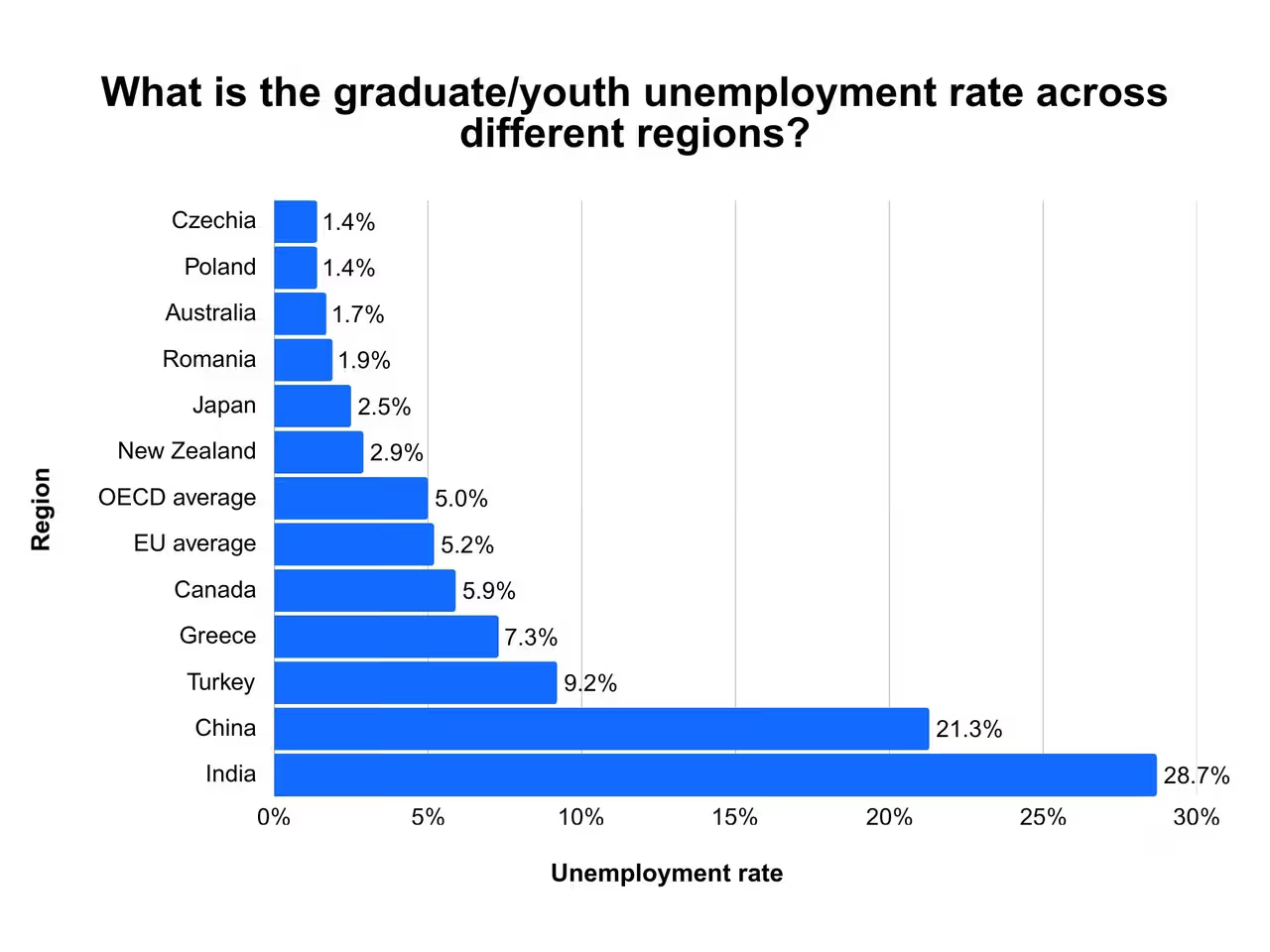
Having a degree does not mean you get a paycheck.
India has 6.3 crore graduates in their twenties. Out of this massive group, exactly 67% lack formal employment.
You might see official government surveys claiming youth unemployment is only 9.9%. Why is there a massive difference?
The government counts any minor activity as employment. If a graduate helps at a family tea stall for just a few hours, they are officially employed. Independent academic studies measure the true scale of the crisis.
The Disconnect Between Enrollment and Employment
The government wants more students in college. The Gross Enrollment Ratio (GER) measures how many eligible youths actually attend higher education.
This ratio climbed from 23.7 in 2014 to 28.4 in 2022. The national policy target is extremely ambitious. The government wants a 50% enrollment ratio by 2035.
What Employers Actually Want
We currently have 4.33 crore students in higher education.
Graduates lack the basic skills required for modern office work. Multiple industry reports measure this exact problem. The findings are highly concerning.
The India Skills Report for 2026 states that 56.35% of graduates are employable, while the Mercer Mettl Skill Index shows that only 42.6% of graduates are actually ready for the industry.
This represents a decline. In 2023, the number was 44.3%.
Employers are speaking up. A major survey of global manufacturing leaders found that 94% prioritize practical skills over formal degrees. They want data analysis. They want AI bias mitigation. They want machine operation.
The World Economic Forum also issued a strict warning. By the year 2030, exactly 63 out of every 100 Indian workers will need total reskilling.
Why Past Policies Failed
We tried to fix this before. The PMKVY scheme trained over 1.6 crore people. Sadly though, out of those 1.6 crore people, only 24.3 lakh secured actual placements.
We have roughly 15,000 Industrial Training Institutes (ITIs). They have 26 lakh seats. Yet they suffer from a 50% underutilization rate. Students simply do not want to go there.
Why did these policies fail?
Because they trained people in isolated classrooms.
You cannot learn to swim without a pool. You cannot learn modern industry without a real factory floor.
The Limits of NEP 2020
The National Education Policy (NEP) 2020 changed many rules. It mandates the mainstreaming of vocational education starting from Grade 6. It requires structured curriculums from Grades 9 to 12.
As of 2025, the government approved 29,342 schools for this integration. Active implementation is currently running in 24,560 schools. This active program covers 31.94 lakh students.
The curriculum is excellent. But the execution faces a massive roadblock.
The Paradigm Shift: Mandatory Apprenticeships

The only fix is a massive software update to our education policy. We must shift completely to credit-backed apprenticeships.
The University Grants Commission of India recently issued the AEDP 2025 guidelines. This is a game changer.
Starting in July 2025, universities must put apprenticeships directly into undergraduate degrees.
Instead of sitting in lectures, students will work inside local businesses. A three-month industry stint will earn them 10 college credits.
The Financial Engine
Students earn a stipend while they learn. Recent government reforms increased this stipend by 36%.
Under the NAPS and NATS platforms, the government subsidizes this cost. They pay up to 50% of the stipend directly to the student.
This is a massive win for Micro, Small, and Medium Enterprises (MSMEs). Small businesses get cheap talent. They reduce hiring costs by up to 50%.
Registrations are already exploding. NAPS saw a massive 49.3% jump in the last fiscal year.
The Action Plan
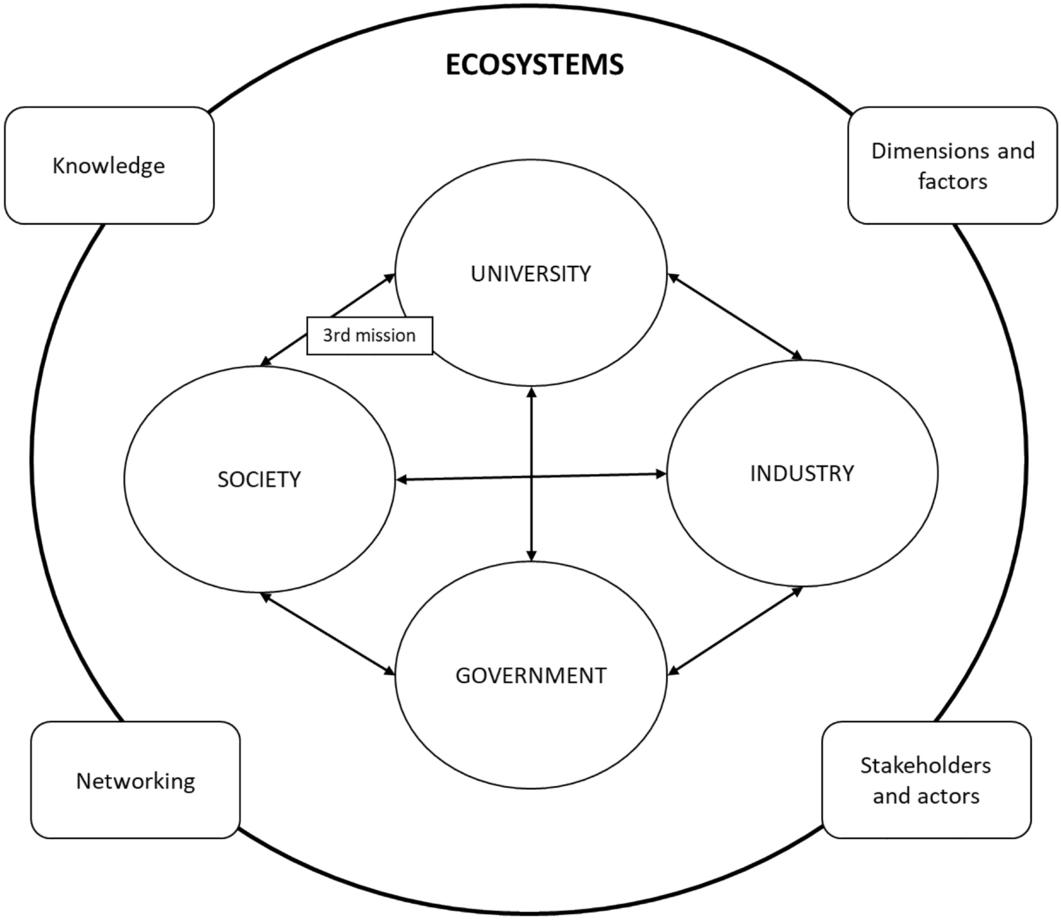
Good policy needs great execution. Here is how we make this work.
1. Universities
Stop relying on textbooks. Sign agreements with local small businesses today. Institutions like Rishihood University are perfectly positioned to lead this.
2. Small Businesses
Use Third Party Aggregators. They handle all the government portal paperwork for you. Over 57% of participating employers use them now.
3. State Governments
Copy the Gujarat model. They pay for student bus passes so rural kids can reach city factories.
Degrees grant you an interview. Skills secure your paycheck.
Sources
- NITI Aayog Apprenticeship Ecosystem Report: Revitalizing India Apprenticeship Ecosystem: Insights, Challenges, Recommendations and Best Practices
- ILO Apprenticeship Study: Good Practices in Apprenticeships in India
- UGC AEDP 2025 Details: University Grants Commission introduces Apprenticeship Embedded Degree Programme
- National Apprenticeship Promotion Scheme: NAPS — MyScheme
- EoI for allocating skill training targets in FY 2025–26 under HSDM: Skillspedia — accessed April 23, 2026.
Additional Details
The Disconnect: → Universities: printing textbook degrees → Students: memorizing outdated theories → Employers: demanding actual operational skills → Government schemes: trapping trainees in isolated classrooms The Trigger: Academic models focus purely on theory. And employers want practical experience. A staggering 94 percent of global manufacturing leaders now prioritize hands on skills over formal education. The Fix: The government's pushing a massive software update to our education policy. Starting in July 2025, the UGC mandates credit backed apprenticeships. Students will finally leave the lecture halls and step onto real factory floors. That said, execution is everything. Will mandatory apprenticeships finally fix our broken talent pipeline? Or will small businesses just struggle to train millions of raw students?